InvestigationIn progress
The Hidden PFAS in Your Rain Jacket
How 'forever chemicals' end up in outdoor apparel — and what regulators still won't require brands to disclose.
Investigations, essays, and explainers from the coalition — plus a direct line for journalists on deadline.
Outside reporting, lawsuits, and legislation shaping the fight to get harmful chemicals out of clothing — plus writing from our founder in the wider press.

A new US report finds state-level PFAS bans are meaningfully cutting forever-chemical use in apparel — a public health win advocates say proves regulation works.
Read at The Guardian →
Texas AG Ken Paxton opens an investigation into potential PFAS use in Lululemon's activewear — a first-of-its-kind state action against a major athleisure brand.
Read at AP News →
Sweden announces plans to ban PFAS in consumer products including clothing and kitchenware as early as 2028, moving ahead of expected EU regulation.
Read at FashionNetwork / AFP →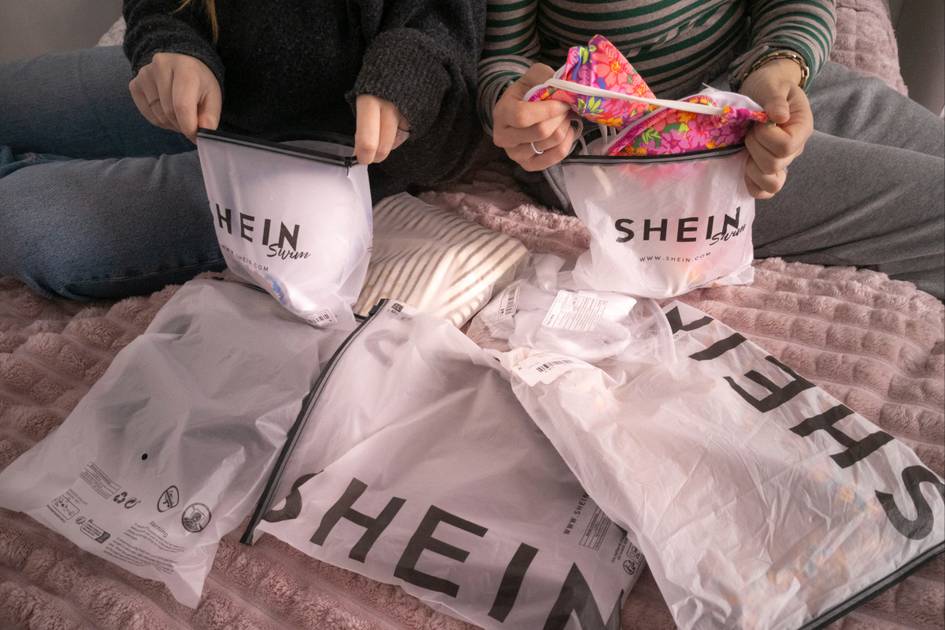
Texas files suit against the global fast-fashion giant, alleging the sale of clothing containing hazardous chemicals to American consumers.
Read at FashionUnited →
New European testing finds the vast majority of fast-fashion garments carry hazardous substances — from endocrine disruptors to heavy metals — sitting directly against the skin.
Read at Euronews →
Congresswoman Chellie Pingree urges USDA to broaden its cotton-centric strategy to include flax, hemp, and other natural fibers — challenging cotton's chemical-heavy dominance.
Read at Sourcing Journal / WWD →
German NGO Deutsche Umwelthilfe issues a formal warning to Shein after independent tests found high levels of PFAS and phthalates in its garments, breaching EU chemical limits.
Read at Ecotextile News →
Independent NRDC testing confirms measurable drops in PFAS in apparel and home textiles after state bans take effect — hard evidence that legislation changes what ends up on our skin.
Read at Sourcing Journal / WWD →
A practical rundown of the compliance landscape brands now face: which states and countries have banned PFAS in apparel, testing expectations, and viable safer alternatives.
Read at Fibre2Fashion →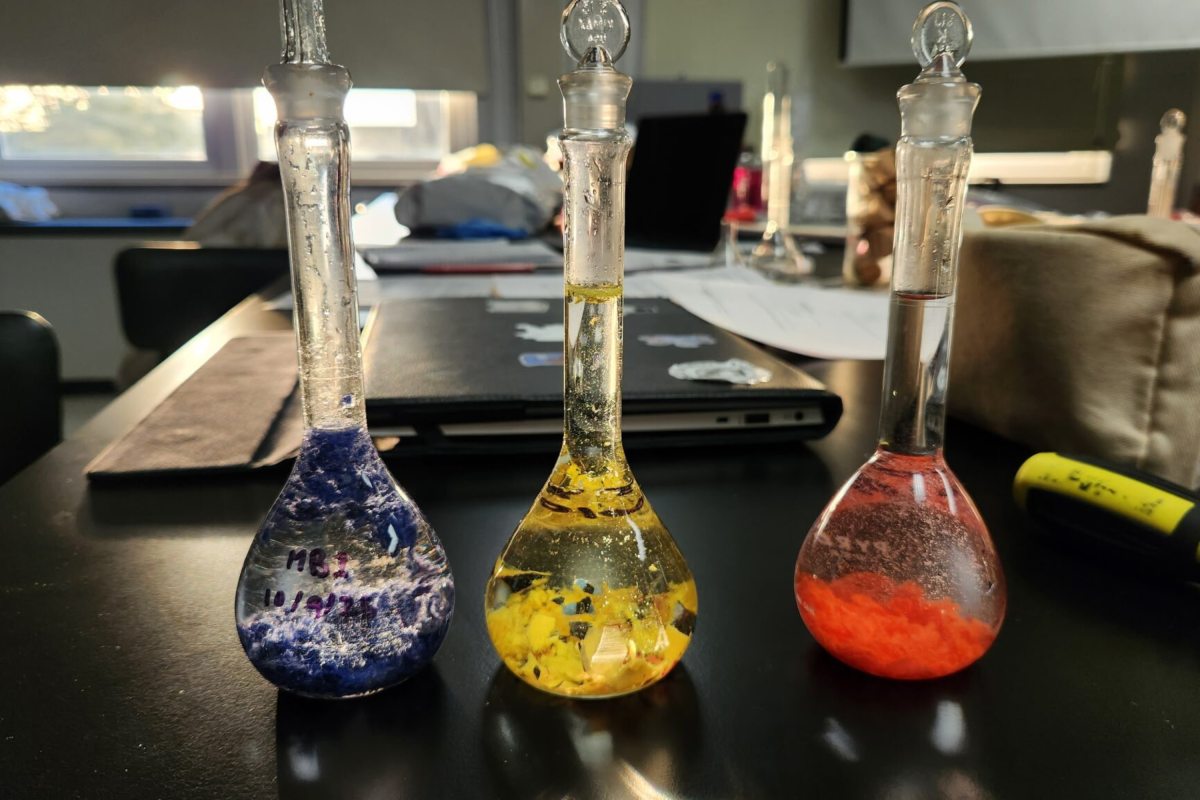
University testing found illegal lead levels in discount children's fast fashion — in garments worn against skin, with no federal requirement that anyone test for it.
Read at Newsweek →
American Chemical Society researchers report that some cheap kids' garments carry lead well above safety limits — a reminder that a low price tag can carry a hidden cost.
Read at ScienceDaily / ACS →A clear-eyed look at the regulatory hole: textiles sit directly on skin all day, and almost no jurisdiction requires manufacturers to screen them for heavy metals.
Read at ABC News →Connecticut moves toward on-pack PFAS disclosure while New York targets landfill leachate — two more states forcing apparel brands to answer for what's in their fabric.
Read at Ecotextile News →Decree No. 2025-188 prohibits PFAS-containing clothing textiles and footwear in France — the first national ban of its kind, with EU-wide restriction still in negotiation.
Read at Intertek →Peer-reviewed research identifies fabrics for infants as a meaningful source of early-life exposure to potentially harmful chemicals — most of them never listed on a label.
Read at Science of the Total Environment →One of the strictest textile certifications sharpens its chemical reference lists to match tightening French, Swedish, and EU restrictions — proof standards follow legislation.
Read at Ecotextile News →
Our founder's reporting on the hormone-disrupting chemicals lurking in the fabric closest to your body — and what to look for instead.
Read at Evie Magazine →Stories the coalition is reporting and publishing. Subscribe or reach out to be notified when a piece drops.
How 'forever chemicals' end up in outdoor apparel — and what regulators still won't require brands to disclose.
A field guide to the finishes, dyes, and coatings that never make it onto a care tag.
The case for regulating fabric the way we regulate what we eat and drink.
How local chapters are turning closet clean-outs into a public-health movement.
Occupational chemical exposure from the factory floor to the retail rack.
Interviews, expert commentary, statements, or background — tell us what you need and we'll respond within one business day.